
What is intraday trading course?
Listen, boss, A intraday trading course teaches you how to buy and sell shares within the same trading day. You open a position in the morning, and you close it before the market shuts. No overnight holding. No delivery. Pure intraday action.
This is not just about picking stocks. It is about understanding how the Indian markets work. NSE, BSE, SEBI rules, broker platforms — everything plays a role. A good course covers all these pieces clearly.
Honestly speaking, most beginners jump into intraday trading without proper training. They lose money quickly. That means a structured intraday trading course can save you from costly mistakes. It gives you a framework instead of guessing randomly.
Think about it this way. Intraday trading means you need fast decisions, solid analysis, and strict discipline. A proper intraday trading classes program builds all three skills systematically. You learn chart reading, risk management, and emotional control — step by step.
Many people confuse intraday trading with regular investing. Let’s keep it simple. Investing means buying shares for the long term. Intraday trading means profit from short-term price movements inside the same day. Different game, different mindset.
Why intraday trading course Matters for Indian Stock Traders
Listen, boss, the Indian stock market is huge but tricky. Over 70 crore demat accounts exist now. More people are entering daily. But most of them struggle because they skip formal learning.
Here is the real deal. Intraday trading in India comes with specific regulations. SEBI has placed several restrictions over the years. For example, bracket orders are mandatory for certain segments. margin credit rules change time to time. If you do not know these rules, you will face issues at the worst possible moment.
A solid intraday trading course also helps you pick the right broker. Platforms like Zerodha, Groww, and Upstox each have different interfaces and charges. Understanding brokerage structures early saves you real money. You can use our Zerodha brokerage calculator and Upstox brokerage calculator to compare costs before opening any account.
Also, intraday trading requires technical tools. You need to understand candlestick patterns, support resistance levels, moving averages, and volume analysis. These are not naturally learned. You pick them up through guided intraday trading classes where every concept connects to live market examples.
Finally, psychology matters a lot. Indian traders often fall into the trap of revenge trading after a loss. A proper course trains your mind to stay calm and follow your plan. That skill alone separates winners from losers.
Key Concepts Related to intraday trading course
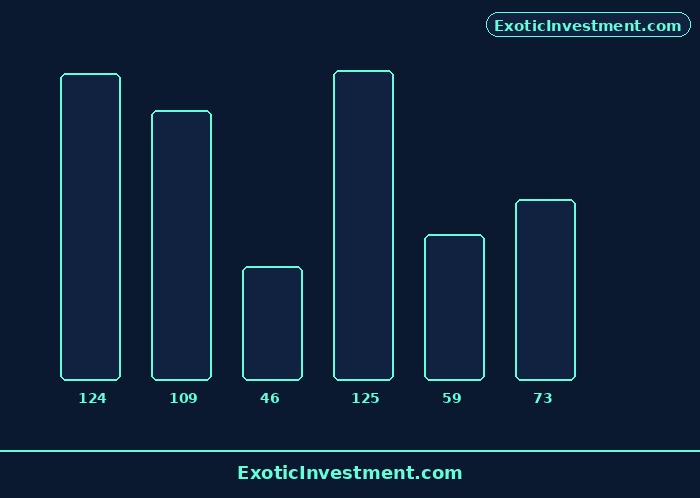
Illustration: Intraday Trading Advisor
First, let us talk about candlestick patterns. Nifty and Bank Nifty move heavily on Japanese candlesticks. Doji, hammer, engulfing, morning star — each pattern tells a story. Your intraday trading advisor should teach you how to read these patterns in real time.
Second, support and resistance levels form the backbone of intraday strategy. Price bounces off support repeatedly and rejects from resistance again and again. Learning to mark these zones accurately on charts takes practice but becomes second nature over time.
Third, stop loss placement is non negotiable. A single trade gone wrong can wipe out days of profits if you ignore stops. We have a free stop loss calculator on our site that helps you set the right level based on your entry price and risk appetite.
Fourth, the pivot point system adds another layer of precision. Many professional intraday traders rely on daily pivot calculations to find potential reversal zones. Check out our pivot point calculator to see how it works live.
Fifth, volume and open interest data give direction confirmation. Price rising with increasing volume means strength. Price rising on low volume? That means weakness hiding under the surface. Volume never lies.
Sixth, risk reward ratio should always favor you. Never take a trade where you risk more than you can gain. A minimum 1:2 ratio keeps your account healthy even when losses happen frequently.
How to Apply This Knowledge Step by Step

Illustration: Intraday Trading Classes
Okay, so you have studied the basics. Now let us turn that knowledge into actual trading actions. Follow these steps carefully.
Step one: Open a demat account with a reliable broker. Zerodha and Groww remain top picks among young traders. Download their apps. Complete KYC. Make sure your PAN, Aadhaar, and bank details match perfectly. This process usually takes one to two business days.
Step two: Practice on a virtual platform first. Paper trading costs zero rupees. It builds confidence without burning real money. Most broker apps offer demo trading features. Use them for at least one month before switching to live mode.
Step three: Study the market every morning before 9:15 AM. Look at global cues, SGX Nifty movement, and news headlines. This habit prepares your brain for the day ahead. The first fifteen minutes decide the mood of the entire session.
Step four: Pick two to three stocks maximum. Do not chase ten different scrips in one day. Focus on liquid stocks like Reliance, HDFC Bank, Infosys, or TCS. High liquidity means tight spreads and easy exits. Avoid illiquid small caps completely.
Step five: Set your entry, stop loss, and target before placing the order. Never enter a trade without knowing all three levels. Use our stock profit calculator to check expected gains beforehand.
Step six: Follow a written trading journal. Record every trade with date, time, reason for entry, exit logic, and outcome. Review this journal every weekend. Mistakes repeat until you catch them on paper.
Step seven: Accept losses as part of the game. Even top traders lose 40 percent of their trades sometimes. What matters is protecting capital and keeping losses small. A 1 percent risk per trade rule keeps you alive longer.
Recommended Trading Courses & Premium Subscriptions:
- Options Buying Course in Kannada: Options Buying Course in Kannada.
- Technical Analysis in Kannada Course: Technical Analysis in Kannada Course.
- Kaliyiri Share Market Book: Kaliyiri Share Market Book.
- Basics of Stock Market Course: Basics of Stock Market Course.
- Multibagger Stocks Pro Subscription: MultiBagger Plus Courses & Pro Tools Annual Subscription (Checkout link: Buy Pro Subscription).
Common Mistakes and How to Avoid Them
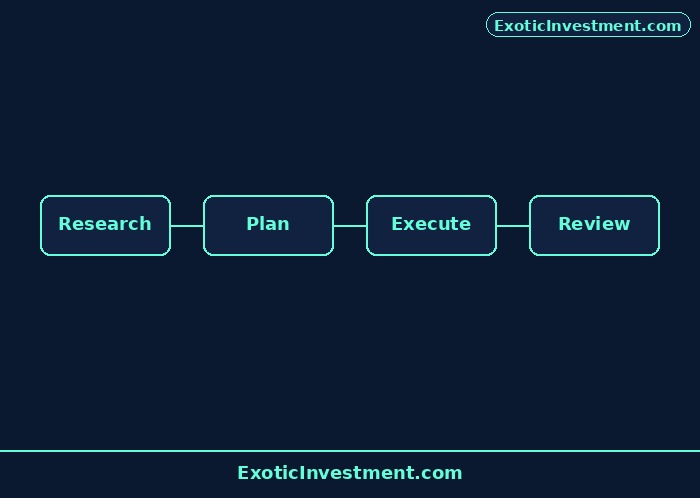
Illustration: Intraday Trading Course Diagram 3
Let’s be honest here. Most new intraday traders make the same stupid mistakes. If you can dodge them early, you are already ahead of 80 percent of players.
Mistake number one: trading without a stop loss. This is dangerous beyond belief. One bad trade without a stop can drain your entire capital. Always place a hard stop loss immediately after entering a position. Never move it further away when the price moves against you.
Mistake number two: overtrading. Beginners love to click buy and sell buttons continuously. Every trade carries brokerage and GST charges. Frequent trading eats into profits silently. Limit yourself to two or three quality setups per day maximum.
Mistake number three: chasing tips from Telegram groups and WhatsApp forwards. Many channels distribute fake calls for commission reasons. Relying on others’ advice makes you permanently dependent. Learn to analyze charts yourself. That is the only sustainable path.
Mistake number four: ignoring market hours and news events. Stock prices react sharply during budget sessions, RBI policy announcements, and quarterly results. Do not hold risky intraday positions through such high volatility periods unless you fully understand the impact.
Mistake number five: revenge trading after a loss. This happens when a trader loses money and immediately enters another trade to recover it quickly. Emotions cloud judgment here. Walk away from your screen after a loss. Come back fresh the next day with a clear mind.
Also avoid using more margin credit than necessary. Exchange margins are available but excessive borrowing increases risk disproportionately. Start with lower quantities and increase only after consistent profitability over three months.
Finally, remember that intraday trading is not a get rich quick scheme. It is a skill that builds over years. Patience and discipline beat aggression every single time.
Advanced Trading Tips to Master This Topic
Once you have survived the beginner phase and built steady consistency, advanced techniques start making sense. Let us look at some pro-level strategies.
One powerful approach is momentum trading during the first hour. Market opens between 9:15 AM and 10:00 AM with maximum volatility. Prices move fast. Skilled traders capture quick spikes during this window and exit before noon sluggishness sets in.
Another strategy involves VWAP trading. Volume Weighted Average Price acts as a dynamic support or resistance line throughout the day. When price crosses above VWAP with volume, buyers are in control. When price falls below VWAP, sellers dominate. Simple rule, effective results.
You should also learn to read price action at key levels rather than depending solely on indicators. Indicators lag behind price movement. Price action shows what is happening right now. Combine both approaches for stronger signals.
Option chain analysis becomes extremely useful once you understand open interest data. Rising call OI at a particular strike means heavy resistance. Rising put OI indicates strong support. These numbers reveal where big players are positioned even before price reacts visibly.
Portfolio tracking is equally important for long-term growth. If you dabble in multiple segments including crypto alongside equities, a proper tracker helps. Tools like the crypto portfolio tracker and crypto tax calculator keep your cross-asset picture clear and compliant.
Time management during trading hours deserves special mention. Fix your watch time. Do not stare at the screen endlessly. Decide your trades during pre-market study, execute calmly at the right moment, then step away. Constant screen watching leads to impulsive mistakes.
Continuous learning separates good traders from great ones. Read books, attend webinars, follow SEBI circulars, and discuss with experienced peers. The market evolves constantly. Your knowledge must evolve with it.
Final Summary
Intraday trading course content covers far more than basic buy and sell mechanics. It includes market structure, technical analysis, risk management, broker selection, psychological control, and regulatory awareness. All these elements together form a complete skillset for profitable trading.
The Indian stock market rewards educated participants and punishes reckless gamblers. Choose learning over luck. Build your foundation strong through proper intraday trading classes and consistent practice. Track your progress regularly. Stay within your risk limits every single day.
Remember, even a SIP calculator shows the power of disciplined systematic approaches. Apply the same discipline to your intraday trading. Small consistent gains beat occasional large wins over the long run.
We hope this guide gave you clarity and direction. Keep practicing, keep learning, and trade smart. Your future self will thank you for the effort you put in today.