
What is career in stock market after 12th?
Listen, boss. Many students across India sit confused after their 12th board exams. They look at the stock market and wonder if they can build a real career there. The answer is yes. But not the way most people think.
A career in share market after 12th does not mean you will become a billionaire overnight. It means you need to learn skills first. Then trade smart. Then grow slowly. That is how real traders in Mumbai, Delhi, Bangalore, and Pune built their names.
The Indian stock market gives many paths even after 12th. You can work as a research analyst. You can become a trader on NSE or BSE. You can start as a SEBI-registered investment adviser assistant. You can also open a Zerodha trading account and begin learning by doing. No degree is strictly required for trading itself. But knowledge matters more than any certificate.
Honestly speaking, most people fail because they skip the learning phase. They want results day one. That is why you need a clear plan. Here’s the thing. A good plan separates winners from losers every single time.
Why career in stock market after 12th Matters for Indian Stock Traders
Now, let’s talk straight. Why should a 12th pass student even think about the stock market?
First, the market is growing fast. Nifty and Sensex hit new highs regularly. Retail participation has exploded since 2020. Apps like Upstox, Groww, and Zerodha made it extremely simple for anyone above 18 to start trading. You do not need a big loan. You do not need a business license. You only need a phone and basic knowledge.
Second, the learning curve is flexible. Unlike engineering or medicine, stock markets do not force you into four tough years. You can learn on your own schedule. Many successful intraday traders in India started young and are now earning full-time incomes.
Third, skill compounds. The more you practice, the sharper your instincts become. This is unlike most regular jobs where pay depends purely on your experience years. In trading, consistent learners earn faster. That means if you put in honest effort daily, you will see improvement within months, not years.
Also, SEBI has introduced stricter rules which protect small investors now. Rules around pledge limits, position sizing, and margin disclosure make the market safer than it was five years ago. So the timing is actually quite good for beginners.
Key Concepts Related to career in stock market after 12th

Illustration: Career In Share Market After 12Th
Let’s keep it simple. No confusion. Here are the core ideas you must understand before taking any step forward.
Demat and Trading Account: Every trade happens through these two accounts. You need a PAN card and Aadhaar for KYC. Most brokers allow online opening within 24 hours. Zerodha, Upstox, Groww, and Angel One are popular choices among young traders.
Cash vs F&O Segment: Cash segment means buying and selling actual shares. Futures and Options mean derivative trading. Beginners should always start with cash. Only move to derivatives after proper training. Most fresh losses happen in F&O because of margin credit.
Technical Analysis Basics: Price charts, candlestick patterns, support resistance levels, moving averages, RSI, and volume analysis form the foundation. If you understand these well, you will never guess blindly. A proper pivot point calculator helps too.
Risk Management: This is the biggest topic most beginners ignore. Never risk more than one to two percent of your capital on a single trade. Use a stop loss calculator before entering any position. Protecting capital matters more than making profit initially.
Brokerage and Tax Rules: STT, GST, stamp duty, and broker charges eat into small profits. A good profit calculator keeps your expectations realistic. As of recent SEBI norms, short-term capital gains above Rs 1.25 lakh in equity are taxed at twenty percent. Long-term gains up to Rs 1.25 lakh are tax free. Plan accordingly.
Psychology and Discipline: Emotions destroy more traders than poor strategy. Fear makes you exit too early. Greed makes you hold too long. Discipline means following your plan without deviation. This applies whether you trade equities, gold, or even Bitcoin.
How to Apply This Knowledge Step by Step

Illustration: Career In Stock Market After 12Th Diagram 2
Alright boss. Here is the real deal. Follow these steps in order. Do not jump ahead.
Step one: Open a demat account with a reliable broker. Compare broker features using the Zerodha brokerage calculator and Upstox brokerage calculator. Pick the one that fits your budget and comfort level. Complete KYC properly. Keep your documents ready.
Step two: Start learning basics first. Do not rush into options or futures. Read free SEBI investor education material. Watch quality YouTube channels but stay away from tipsters who promise guaranteed returns. That is always a trap.
Step three: Begin with paper trading or virtual trading apps. Simulate trades for at least two months. Track every entry and exit. Learn why you won or lost. This stage builds muscle memory without risking real rupees.
Step four: Deposit a small amount you can afford to lose. Maybe ten thousand rupees to start. Trade only in the cash segment. Build consistency before scaling up. If you need help planning investments alongside trading, check out this SIP calculator for Groww.
Step five: Maintain a proper trading journal. Note date, symbol, price, reason for entry, reason for exit, emotions felt, and outcome. Review this journal every weekend. Patterns will reveal themselves soon enough. You will spot your personal weaknesses and fix them.
Step six: Once consistent for four to six months, consider advancing to intraday or swing trading. Only then explore F&O with tiny lot sizes. And always use a stop loss. Always.
Recommended Trading Courses & Premium Subscriptions:
- Options Buying Course in Kannada: Options Buying Course in Kannada.
- Technical Analysis in Kannada Course: Technical Analysis in Kannada Course.
- Kaliyiri Share Market Book: Kaliyiri Share Market Book.
- Basics of Stock Market Course: Basics of Stock Market Course.
- Multibagger Stocks Pro Subscription: MultiBagger Plus Courses & Pro Tools Annual Subscription (Checkout link: Buy Pro Subscription).
Common Mistakes and How to Avoid Them
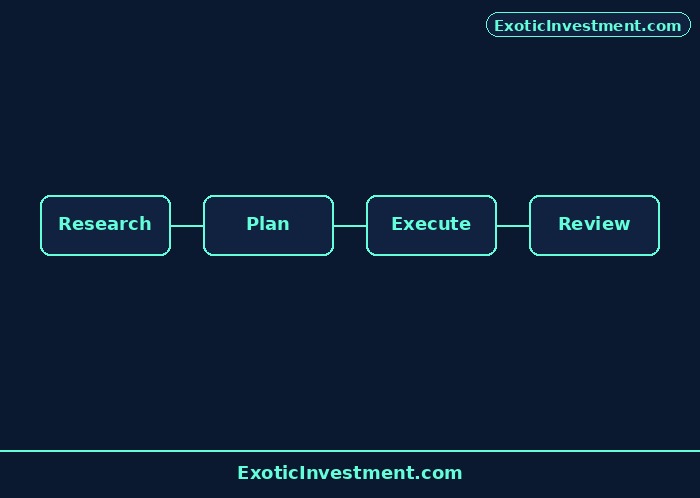
Illustration: Career In Stock Market After 12Th Diagram 3
Let’s be honest here. Most new traders repeat the same mistakes over and over again. The good news is you do not have to be one of them. You just need awareness.
Mistake one: Following WhatsApp tips and Telegram signals without checking anything yourself. This is dangerous. Many scammers operate openly now. Always verify every call through your own analysis. A second opinion from a reliable source can save your capital.
Mistake two: Trading without a stop loss. Ever. This single mistake wipes out entire accounts during volatile sessions. Always use a stop loss calculator before placing any order. Make it non-negotiable.
Mistake three: Revenge trading after a loss. You lose money, you get angry, and you immediately place another big trade hoping to recover. This is how accounts blow up. Walk away from the screen when emotions rise. Cool down for at least an hour before trading again.
Mistake four: Overtrading. New traders often feel they must be in the market all day. This is wrong. Quality setups are rare. Wait patiently for the right moment. Better to miss one trade than lose money on a bad one.
Mistake five: Ignoring taxes and charges. Profit looks great until you calculate net returns after STT, GST, brokerage, and capital gains tax. Use a proper stock profit calculator to find your true net profit every month.
Mistake six: Putting emergency money into trading. Never invest money you need for rent, fees, or medical expenses. Only surplus capital belongs in the market. Treat trading income as a bonus, not a salary at the start.
Advanced Trading Tips to Master This Topic
Once you survive the beginner phase, these advanced tips will sharpen your edge significantly.
Use multiple time frame analysis: Check the weekly chart first to understand the broader trend. Then move to daily. Finally take decisions on hourly or fifteen-minute charts. This avoids fighting against the main flow. Direction matters more than timing in most cases.
Master price action: Candlestick patterns like engulfing bars, hammers, shooting stars, and inside bars give powerful signals. Combine them with support and resistance zones. When price hits a strong support level and shows a bullish reversal pattern, that is a high-probability setup.
Track institutional activity: Large block deals and FII/DII data published daily by exchanges show where smart money moves. Follow these numbers along with pivot point analysis for stronger conviction.
Diversify your instruments: Once comfortable, explore index futures and options on Nifty and Bank Nifty. These offer better liquidity than individual stock derivatives. However, stick to the liquid contracts only. Illiquid F&O stocks can trap your money easily.
Learn sector rotation: Money flows between sectors based on news, earnings, and global cues. Understanding which sector is in favour can dramatically improve your选股 process. Sectors like IT, pharma, banking, and PSU banks each have distinct behaviour patterns throughout the year.
Keep learning continuously: Markets evolve constantly. New derivatives products arrive. SEBI changes rules periodically. Follow official SEBI notifications regularly. Join genuine trader communities, not tip groups. Your growth speed depends directly on the quality of information you consume daily.
For those also interested in crypto alongside equity, tools like the crypto portfolio tracker and crypto tax calculator can help manage a blended view of your overall investments. And for Bitcoin specific tracking, the Bitcoin profit calculator comes in handy. But remember, equity should remain your primary focus while building a career.
Final Summary
So, can you build a career in stock market after 12th? Absolutely. But it demands patience, discipline, and continuous study. There is no shortcut button anywhere in this profession.
Start with basics. Open a simple demat account. Practice virtual trading first. Learn technical analysis thoroughly. Never trade without a stop loss. Manage your risk strictly. Keep emotions under control. Track every trade in a journal. Move to live trading only when your paper results show consistency for several months.
Invest in proper education. Consider structured courses instead of random YouTube videos. The Basics of Stock Market Course and other premium learning resources at ExoticInvestment can give you a solid head start that self-teaching alone often misses.
Remember, Nifty and Sensex will go through bull runs and bear phases. Your job is not to predict everything perfectly. Your job is to manage risk well and stay in the game long enough for compounding to work in your favour. Even a small capital grows massively when you avoid big losses.
Stay consistent. Stay curious. Stay humble before the market. Because the market rewards prepared traders every single time. Now go learn, practice, and build your future step by step. You got this, boss.